Filters
Treatment with a once-weekly injectable petrelintide, a novel human amylin analogue, yields up to 10.7 percent weight loss through week 42 in adults with obesity or overweight, according to the phase II ZUPREME-1 trial presented at ADA 2026.
In the phase II VESPER-2 trial, the investigational injectable glucagon-like peptide-1 receptor agonist (GLP-1 RA) berobenatide shows robust reductions in weight and HbA1c in adults with obesity/overweight and type 2 diabetes (T2D).
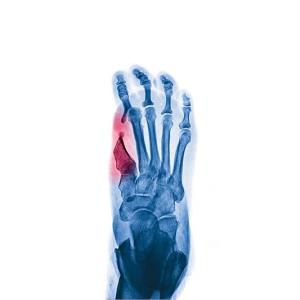
A meta-analysis presented at ADA 2026 supports the benefits of hyperbaric oxygen therapy (HBOT) for ulcer healing and reducing the risk of major amputation in individuals with diabetic foot ulcers (DFUs).
Exposure to several glucose-lowering drugs appears to have a protective effect on the risk of depression in individuals with type 2 diabetes (T2D), according to a population-based cohort study in Hong Kong.
Relative fat mass is strongly associated with incident stroke, especially ischaemic stroke, as shown in a study.
A recent study has noted a broad range of total testosterone levels in older community-dwelling men, with a substantial proportion in a range deemed hypogonadal.
A study conducted by researchers from Singapore demonstrates a protective effect of metformin against glaucoma in patients with diabetes.
Women with polycystic ovarian syndrome (PCOS) may have an increased risk of thromboembolic events in the presence of obstructive sleep apnoea (OSA), according to a retrospective study.
Cardiometabolic comorbidities have shown improvements following surgery in patients with Cushing syndrome (CS) and those with mild autonomous cortisol secretion (MACS), reports a study.
The use of glucagon‐like peptide‐1 receptor agonists (GLP‐1RAs) among adults with obesity and concomitant autoimmune diseases appears to lower the incidence of thromboembolic events, emergency department visits, and mortality, according to a study.