Overview
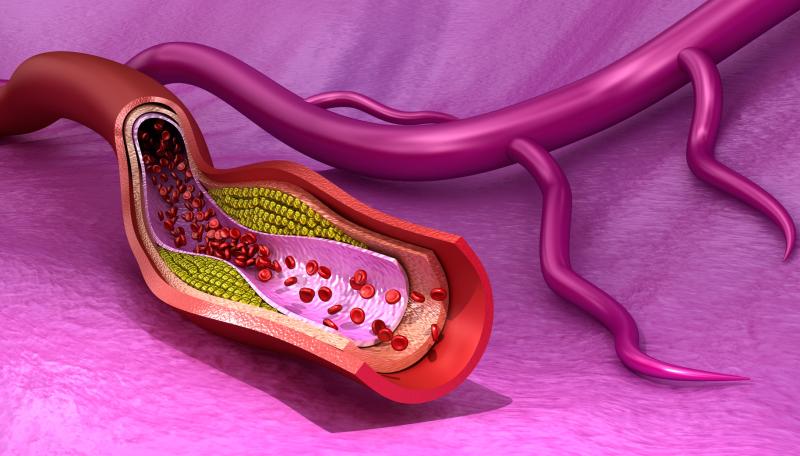
Acute coronary syndrome refers to any constellation of
clinical symptoms compatible with acute myocardial ischemia usually caused by
sudden reduction in coronary blood flow from atherosclerotic plaque rupture or erosion and subsequent thrombosis. It is further defined in the Introduction section.
Acute coronary syndrome causes an estimate of 32% of all
deaths worldwide. The incidence of acute coronary syndrome locally and
regionally is featured in the Epidemiology
section.
As explained in the Pathophysiology section,
the mismatch between myocardial oxygen demand and myocardial oxygen consumption
resulting in myocardial injury is the hallmark of acute coronary syndrome. Further
details are contained in this section.
The Risk Factor section
enumerates the same factors that are seen as manifestations of ischemic heart
disease.
History and Physical Examination
Patients with acute coronary syndrome usually present with retrosternal
chest pain. The Clinical Presentation section
gives a complete description of the ischemic-type chest discomfort that can be
experienced by patients. Patients with acute coronary syndrome may also present
with a broad range of signs and symptoms, from asymptomatic at presentation to
patients with ongoing chest discomfort. The section enumerates other clinical
presentations of the disease as well.
In the Physical
Examination section, the
importance of identifying precipitating causes, very high risk and high risk
acute coronary syndrome features and assessing the hemodynamic impact of the
ischemic event and non-ischemic cardiac disorders are discussed. Physical
examination should include vital sign measurements and cardiovascular and chest
examination.
Diagnosis
Laboratory Tests and
Ancillaries and Imaging
studies that are vital to the diagnosis of acute coronary syndrome which include
ECG, chest X-ray and biochemical indicators (eg cardiac troponin T or I, myoglobin
and/or creatinine kinase) are discussed in this section. Other diagnostic tests
that may be useful in the diagnosis of acute coronary syndrome are also
included.
Diagnosis is based on clinical history, symptoms, vital
signs, and other physical findings, ECG results and laboratory results as
discussed in the Diagnosis or Diagnostic
Criteria section.
Diseases that present as chest pain should be
ruled out and these are enumerated in the Differential
Diagnosis section.
Management
The Evaluation section contains tests that are essential to the
management of acute coronary syndrome. Repeating laboratory tests such as ECG
and cardiac troponin T or I are recommended. Additional tests may also be
performed prior to discharge or on an outpatient basis. The Evaluation section
also discusses the risk stratification of acute coronary syndrome.
Drug options recommended for treating patients with acute
coronary syndrome such as antiplatelet agents (eg Aspirin, Cangrelor, Clopidogrel,
Prasugrel, Ticagrelor, Glycoprotein IIb/IIIa inhibitors, Vorapaxar),
anticoagulants (eg low-molecular-weight Heparin, unfractionated Heparin), factor
Xa inhibitors (eg Apixaban, Fondaparinux, Rivaroxaban), direct thrombin
inhibitors (eg Argatroban, Bivalirudin), antianginal agents (eg beta-blockers,
nitrates, calcium antagonists, opioids), high-intensity statins, angiotensin-converting enzyme (ACE) inhibitors, angiotensin II antagonists and aldosterone antagonists are
discussed in detail in the Pharmacological
Therapy section. Other agents that may be used for the treatment
of acute coronary syndrome are also included.
Several non-drug options to consider that may aid in the
management of acute coronary syndrome which include patient and caregiver education,
invasive strategies such as coronary angiography and revascularization,
supportive treatments such as bed rest and supplemental oxygen, and exercise are
featured in the Nonpharmacological
section. Risk factor management which includes smoking cessation, control of
blood pressure (BP), lifestyle and diet modification strategies, and adequate
management of comorbidities such as diabetes, hyperlipidemia and
obesity/overweight are also discussed in this section.
Complications after ACS and
suggested management are discussed in the Complications section.