GLP-1 RA use may improve breast cancer outcomes in patients with metabolic conditions
03 Jun 2026
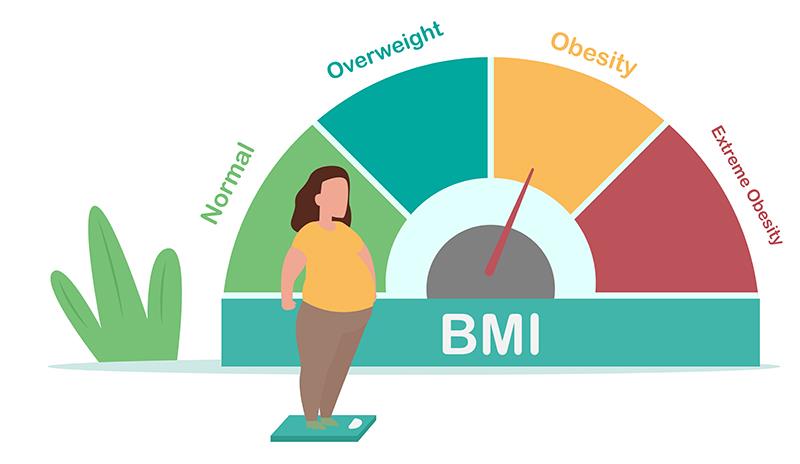
In breast cancer patients with obesity or type 2 diabetes (T2D), the use of a glucagon-like peptide-1 receptor agonist (GLP-1 RA) appears to exert favourable effects on mortality and recurrence, according to a retrospective study.
Researchers used data from the TriNetX US Collaborative Network and identified women with breast cancer and metabolic conditions. They evaluated GLP-1 RA use (≥2 prescriptions) during the 6 months before and any time after the index diagnosis in relation to survival outcomes.
The primary outcome was all-cause mortality, while the secondary outcome was recurrence-free survival (RFS).
A total of 841,831 patients with breast cancer (mean age 69.1 years) met the eligibility criteria. The researchers established three cohorts using propensity score matching, as follows: 1,610 patients with obesity (BMI ≥30 kg/m2) for GLP-1 RA use vs nonuse, 2,323 patients with T2D for GLP-1 RA use vs insulin or metformin, and 4,052 patients with T2D for GLP-1 RA use vs sodium-glucose cotransporter 2 inhibitors.
Compared with nonuse, GLP-1 RA use was associated with a 65-percent lower risk all-cause mortality (hazard ratio [HR], 0.35, 95 percent confidence interval [CI], 0.21–0.58; p<0.001) and 56-percent reduced risk of recurrence (HR, 0.44, 95 percent CI, 0.30–0.64; p<0.001) among patients with obesity over a 10-year follow-up period.
Compared with insulin or metformin, GLP-1 RAs were also associated with significantly lower hazard of all-cause mortality (HR, 0.09, 95 percent CI, 0.06–0.15; p<0.001) and better RFS (HR, 0.33, 95 percent CI, 0.21–0.50; p<0.001) among patients with T2D.
No significant differences were observed between GLP-1 RAs and sodium-glucose cotransporter 2 inhibitors for both outcomes among patients with T2D.
Similar results were obtained in subgroup and landmark analyses.