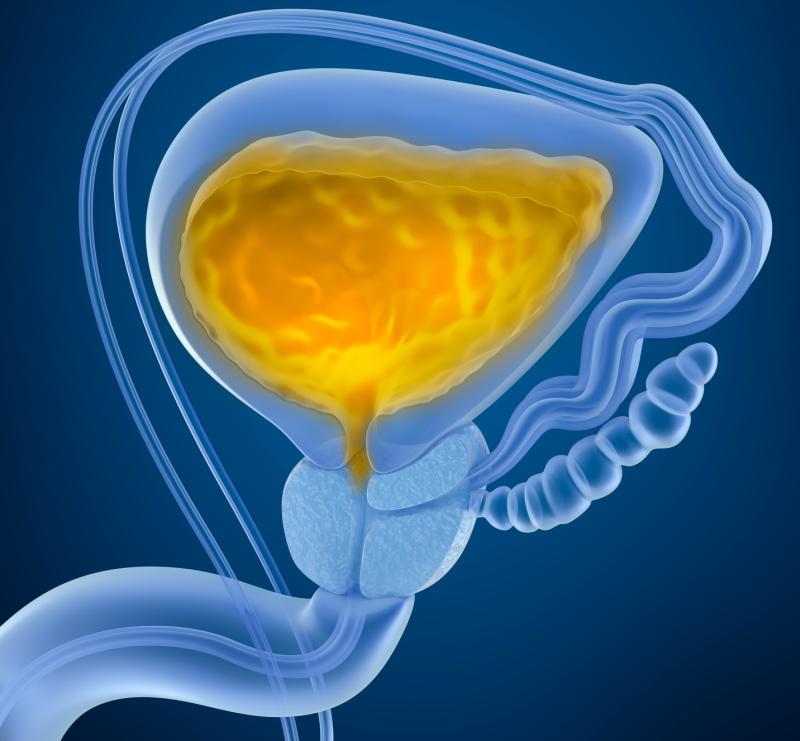
Tổng quan
As stated in the Introduction
section, complicated urinary tract infection (UTI) is a form of UTI with an
increased chance of a complicated course, possibly extending beyond the
bladder, occurring in men, pregnant women, patients with anatomical or
functional abnormalities of the genitourinary tract.
Approximately 2.88 million cases of complicated UTI are
reported annually. A detailed discussion about the prevalence of UTI is in the Epidemiology section.
The spectrum of bacteria causing complicated UTI is
much larger than that of uncomplicated UTI and is more likely to include
antibiotic-resistant organisms. The discussion on the different
pathogens involved in complicated UTI is in the Etiology section.
The Pathophysiology section states that the most common route of
urinary tract infection is the ascending spread of bacteria from the urethra to
the bladder. An additional consideration in complicated UTI is bladder
compromise.
Factors associated with complicated UTI are listed in the Risk Factors section.
 Urinary Tract Infection - Complicated_Disease Summary
History and Physical Examination
The Clinical Presentation section describes the different signs and
symptoms of patients with complicated UTI.
In the History section, the importance of specific
questioning to determine the presence or absence of prior urinary infections
and therapy, genitourinary surgeries, nephrolithiasis, gross hematuria, sickle
cell disease and other associated diseases is emphasized.
Different physical examination findings seen in complicated UTI like abdominal
and suprapubic tenderness are discussed in the Physical
Examination section. Women are also assessed for cervical motion
or uterine tenderness to assess for pelvic inflammatory disease.
Chẩn đoán
As mentioned in the Laboratory
Tests and Ancillaries, urine culture is the recommended
method to identify clinically significant bacteriuria in patients suspected of
having complicated UTI. Other laboratory examinations are discussed in this
section.
The Imaging section mentions
that most patients with complicated UTI do not warrant imaging unless they are
severely ill, unresponsive to therapy or with suspected underlying conditions.
Other conditions that should be ruled out in the diagnosis
of complicated UTI are listed in the Differential
Diagnosis section.
Xử trí
Indications for outpatient management and hospital admission
are discussed in the Evaluation
section.
General therapy principles in the management of complicated
UTI are in the Principles of Therapy
section.
The Pharmacological
Therapy section discusses the
different therapeutic options for empiric therapy and specific therapy for
complicated UTI.
The Monitoring
section lists recommendations regarding follow-up. Details regarding further
investigations and repeat testing are also found in this section.