CGM plus virtual program improves HbA1c, weight in T2D adults with overweight/obesity
05 Jul 2026
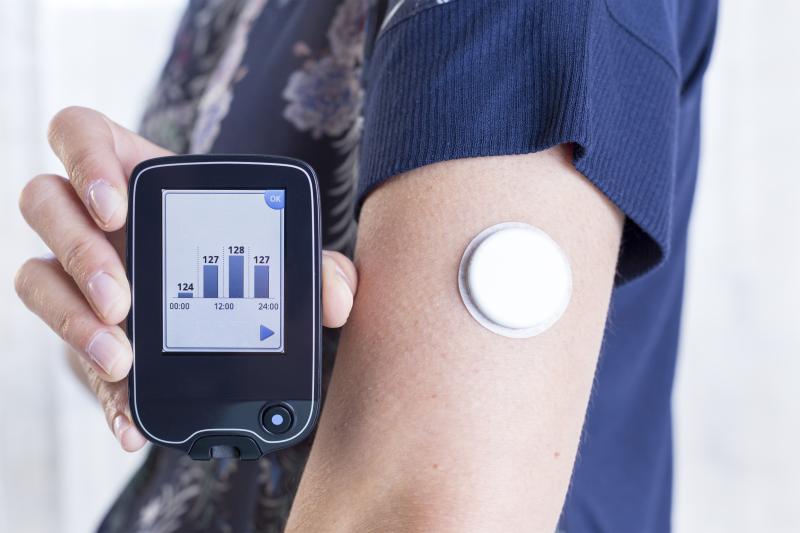
Continuous glucose monitoring (CGM) combined with a digital weight management program results in significant improvements in HbA1c, body weight, and other glucose metrics relative to usual care among adults with type 2 diabetes (T2D) and overweight or obesity, according to a study.
A total of 151 adults with T2D and overweight or obesity were included in this clinical trial and were randomized to CGM pus virtual program (intervention; n=75) or usual care (n=76). Participants in the intervention arm received a behavioural weight management program tailored for T2D and CGM, while those in usual care received a session with a dietitian and educational materials.
The primary outcome was change in HbA1c at 6 months. Other outcomes assessed were changes in weight, waist circumference, blood pressure, CGM metrics, diabetes stress, and treatment satisfaction.
Participants in the intervention arm demonstrated greater HbA1c reduction than those who received usual care (‒0.87 percent, 95 percent confidence interval [CI], ‒1.17 to ‒0.57 vs ‒0.41 percent, 95 percent CI, ‒0.72 to ‒0.10; difference, ‒0.46 percent, 95 percent CI, 0.89 to ‒0.03; p=0.037).
The intervention arm also showed greater reductions in percent body weight than the usual care arm (difference, ‒3.2 percent, 95 percent CI, ‒4.9 to ‒1.5; p<0.001).
Furthermore, significantly greater improvements in several CGM metrics were observed with the intervention vs usual care. Likewise, diabetes treatment satisfaction and regimen-related diabetes stress significantly improved more in the intervention vs usual care arm.
“The combination of digital behavioural weight management and CGM resulted in greater improvements in glycaemic control and body weight compared to usual care,” the researchers said.
“Our results hold promise for the effectiveness of this approach as an accessible and cost-effective strategy to improve outcomes in patients with overweight or obesity and T2D,” they added.