Physical activity boosts overall well-being of postmenopausal women
27 Jun 2026
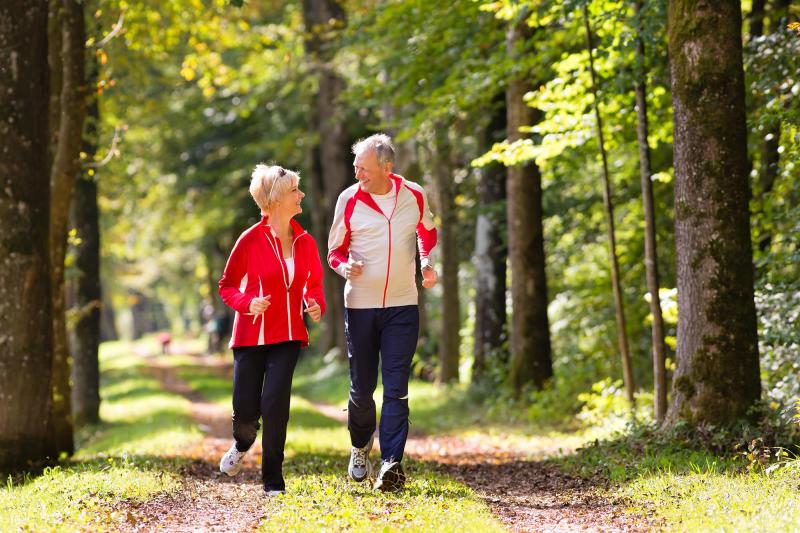
Engaging in light-to-moderate physical activities, such as walking and active commuting, contributes to health-related quality of life (HRQoL) gains among postmenopausal women, particularly those with chronic diseases, as shown in a study.
Researchers used data from women who participated in the 2016-2020 Korean National Health and Nutrition Examination Survey. Physical activity was evaluated using the Global Physical Activity Questionnaire and categorized according to intensity (low, moderate, and high) and domains (occupational, leisure time, and commuting). The main outcome of HRQoL was assessed using the EuroQol 5-dimension index and its five domains.
A total of 7,846 postmenopausal women (mean age 64.5 years) were included in the analysis, of which 5,261 had chronic diseases and 2,585 were healthy. Compared with healthy women, those with chronic diseases were older (66.8 vs 60 years; p<0.001) and were more likely to have obesity (32.1 percent vs 20.2 percent; p<0.001).
Women with higher levels of physical activity had significantly better HRQoL, and this association was particularly pronounced in the chronic disease group (moderate physical activity: odds ratio, 1.35, 95 percent confidence interval, 1.17–1.57).
Among women with chronic diseases, longer walking time and shorter sedentary time were associated with better HRQoL, whereas occupational physical activity showed an inverse association. Leisure time and commuting also showed a positive association with HRQoL.
No significant associations were observed among healthy women, except in the mobility domain.