Baroreflex activation therapy offers modest BP-lowering effect in resistant hypertension
16 Jun 2026
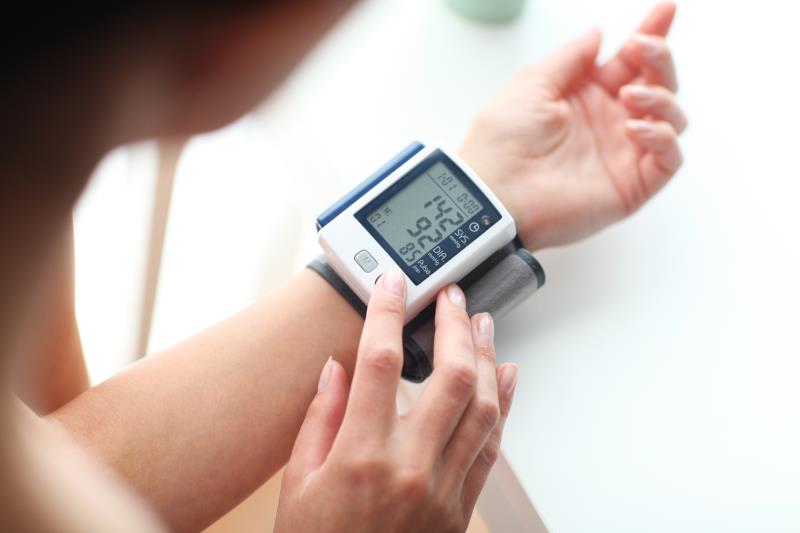
Home blood pressure (BP) measurements have increased significantly following baroreflex activation therapy (BAT) deactivation, even after multiannual therapy, reports a study.
Sixteen patients with resistant hypertension scheduled for BAT device replacement after multiannual treatment were included in this prospective, randomized crossover study. They were randomized 8 weeks prior to replacement: group 1 was deactivated from week -8 to -4 and reactivated from week -4 until surgery; group 2 remained activated from week -8 to -4 and was deactivated from week -4 until surgery. Participants were not aware of their allocation.
The investigators monitored BP values during outpatient visits by a blinded physician and by telemetric home measurements. They then conducted a statistical analysis using paired, two-tailed t-tests.
Patients had BAT for a median of 50 months. Office BP was significantly lower under active BAT than preimplantation values (146 vs 172 mm Hg systolic; p<0.01). Home BP with deactivated device was higher by 5 mm Hg than during active BAT (p<0.05), and office BP after 4 weeks of deactivation was higher by 8 mm Hg than baseline values (p=0.06).
Two patients who met the predefined termination criteria were reactivated immediately. Overall, nine patients (60 percent) were classified as BAT responders based on at least 5-mm Hg increase in BP or early reactivation.
“BAT is a treatment option for resistant hypertension,” the investigators said.