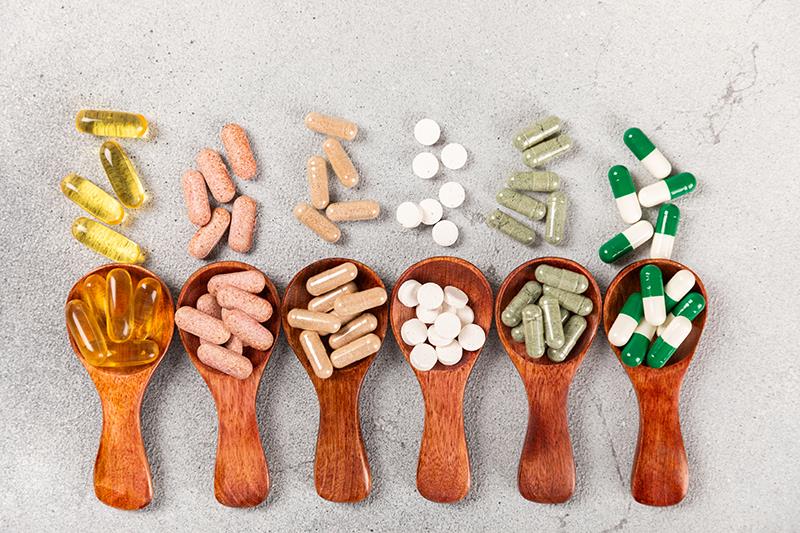
Daily supplementation with multivitamins offers no significant protection against the incidence of COVID-19 in older adults when compared with placebo, as shown in the COSMOS randomized trial.
However, it appears to potentially reduce the likelihood of symptomatic COVID-19 illness, according to the authors led by Dr Jun Li, Division of Preventive Medicine, Department of Medicine, Brigham and Women’s Hospital, Harvard Medical School, Boston, Massachusetts, US.
Li and colleagues stated that the effect of long-term daily multivitamin supplements on COVID-19 prevention and symptom severity was unclear, so they conducted a secondary analysis in the COSMOS study to address this gap.
COSMOS is a randomized, double-blinded, placebo-controlled trial conducted from June 2015 to December 2020. Li and his team evaluated daily multivitamin and cocoa extract supplementation for the prevention of cardiovascular disease and cancer among 21,442 adults in the US.
Incident COVID-19 between 1 January 2020 and 31 December 2020, defined as the first occurrence of a self-reported positive test for SARS-CoV-2 infection, a physician’s diagnosis, hospitalization, or death due to COVID-19, served as the primary outcome of the study.
Other outcomes included in the analyses were symptomatic COVID-19 and symptom count among nonfatal cases through 31 August 2020, when detailed symptoms were obtained. Finally, the authors performed intention-to-treat (primary) and per-protocol (secondary) analyses among consistently adherent participants.
COVID-19 pandemic
Of note, the final year of the COSMOS intervention phase from January 2020 to December 2020 coincided with the beginning of the COVID-19 pandemic, the authors said.
A total of 18,205 participants remained in the trial and were adherent to study pills as of 1 January 2020. Of these, 382 were randomized to multivitamin supplementation and 404 to placebo. Participants reported a COVID-19 infection through 31 December 2020. [Am J Clin Nutr 2026;124:101355]
Intention-to-treat analysis revealed a statistically nonsignificant reduction in COVID-19 incidence among patients who received multivitamin supplements compared with placebo (hazard ratio [HR], 0.93, 95 percent confidence interval [CI], 0.81‒1.07).
In 338 participants with detailed symptom data, multivitamin supplementation appeared to reduce the odds for symptomatic COVID-19 relative to placebo (HR, 0.70, 95 percent CI, 0.44‒1.11).
Furthermore, per-protocol analyses among participants compliant with the study pill during 2020 revealed a significantly reduced risk for symptomatic COVID-19 (HR, 0.60, 95 percent CI, 0.37‒0.99).
“A daily multivitamin supplement, compared with placebo, does not significantly reduce COVID-19 incidence among older adults but shows a promising signal lowering the odds of symptomatic COVID-19 illness,” the authors wrote.
SARS-CoV-2 infection
A 2021 study found that intakes of probiotic, omega-3 fatty acid, multivitamin or vitamin D supplements could reduce risk of SARS-CoV-2 infection in women by 14 percent (95 percent CI, 8‒19), 12 percent (95 percent CI, 8‒16), 13 percent (95 percent CI, 10‒16), and 9 percent (95 percent CI, 6‒12), respectively. [BMJ Nutr Prev Health 2021;4:149-157]
However, the same benefit was not observed among men or with intakes of vitamin C, garlic, or zinc.