Calcium-enriched permeate supplement prevents bone loss in postmenopausal women
14 Jul 2026
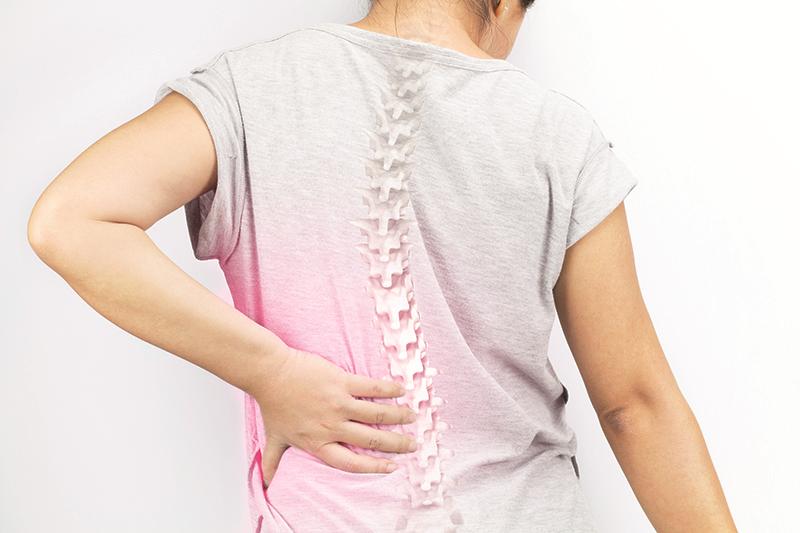
Daily intake of calcium-enriched permeate (CP) supplement in two doses is comparably effective as taking calcium carbonate (CC) in suppressing bone turnover markers and maintaining bone mineral density (BMD) in postmenopausal women with vitamin D sufficiency, reveals a study, noting that inulin offers no additional advantage.
A total of 417 postmenopausal females (mean age 56.0 years, BMI 25.5 kg/m2) were randomly allocated to receive daily either a maltodextrin as placebo, 800-mg calcium as CC, CP, or CP with inulin split into two doses. All participants received vitamin D 20 μg/day.
The primary outcome was C-terminal telopeptides of type 2 collagen, while secondary outcomes included procollagen type I N-terminal propeptide and BMD. The investigators assessed fixed and random effects using linear mixed-effects models, adjusted for multiple outcomes.
Of the participants, 316 (76 percent) completed the study, with a mean overall compliance of 89 percent. From baseline to 12 months, C-terminal telopeptides of type I collagen did not change in the placebo group.
On the other hand, all intervention groups exhibited significant decreases relative to placebo (CC: β, ‒0.137 μg/L, 95 percent confidence interval [CI], ‒0.193 to ‒0.081; p=2.59 × 10⁻⁶; CP: β, −0.150 μg/L, 95 percent CI, −0.208 to −0.093; p=1.62 × 10⁻⁶; CP plus inulin: β, −0.149 μg/L, 95 percent CI, −0.207 to −0.090; p=1.96 × 10⁻⁶).
Similarly, procollagen type I N-terminal propeptide significantly decreased in all intervention groups compared with the placebo group.
By month 12, spine BMD was higher with CC (β, 0.0158 g/cm2, 95 percent CI 0.0066, 0.0251; p=0.0009; CP-Inu: β, 0.0142, 95 percent CI, 0.0046 to 0.0238; p=0.0040). Moreover, femoral neck BMD was higher with CP (β, 0.0116, 95 percent CI, 0.0042 to 0.0190; p=0.0022).
However, additional effects were not seen with CP combined with inulin.
“Osteoporosis is a common age-related skeletal disorder, especially in postmenopausal females, underscoring the need for effective nutritional strategies to preserve bone health,” the investigators said.